Turning Angi's untapped content into an SEO engine — and a reason for homeowners to stay.
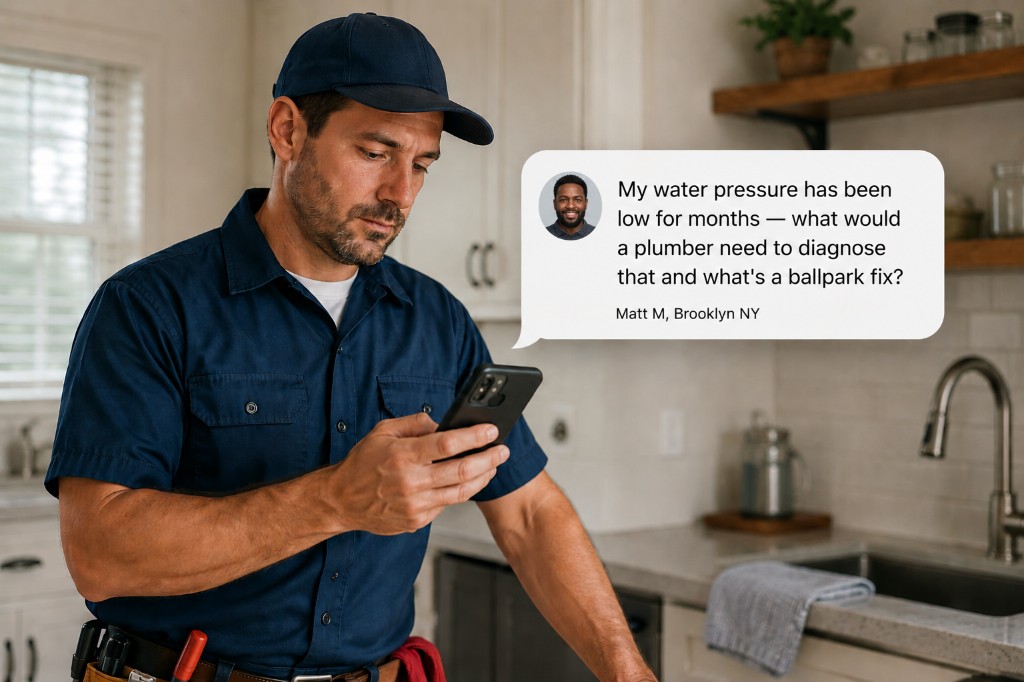
A suite of UGC-driven web components that repurposed existing content — pro answers, homeowner reviews, and project photos — into high-performing SEO features that reduced bounce rates, drove organic traffic, and increased engagement by 63%.
Angi had a content problem hiding in plain sight. The platform was sitting on a wealth of user-generated content — pro answers, homeowner reviews, project photos — but most of it wasn't surfaced in a way that helped users or search engines. Articles and cost guides were underperforming. Pages weren't reaching or engaging as many users as they should have. And without UGC, Angi's SEO performance was more volatile and less competitive than it needed to be. The insight was simple: the content already existed. The problem was that nobody had designed a way to make it work.
I led the design work as design lead on the Growth team, owning the end-to-end UX for a suite of new UGC-focused web components — from concept through production. This involved close collaboration with product, engineering, and SEO specialists to ensure the components worked both as user experiences and as indexable, search-optimized content surfaces.
Angi already had everything it needed — real homeowner stories, expert pro answers, genuine project photos. The gap wasn't content. It was a design system that could surface it.
Ask a Pro Q&A.
The centerpiece of the UGC initiative. Homeowners could submit questions, pros could answer them, and the resulting Q&A content was surfaced directly on relevant service and cost guide pages. The component was designed to feel conversational and trustworthy — not a forum, but a curated expert resource. It was also built to be indexable, making every answer a potential SEO entry point.
Project Stories.
A component that repurposed existing pro-uploaded project photos and homeowner reviews into narrative-driven content blocks. Rather than isolated star ratings, Project Stories gave context — what the job was, how it went, what the outcome looked like. This made the content more engaging for users and more substantive for search engines.
Pro Galleries.
A visual-first component surfacing pro project photos in a gallery format on relevant pages. Designed to drive engagement through browsing behavior and to give pros a stronger presence on the pages most likely to convert homeowners into leads.
63% increase in engagement. Stronger SEO stability. Lower bounce rates across content pages.
Ask a Pro Q&A increased engagement by 63% and demonstrated stronger SEO stability than the control — experiencing less volatility in search performance, which was one of the primary goals of the initiative.
What I'd do differently.
I'd push earlier for a unified content strategy across all three components — Ask a Pro, Project Stories, and Pro Galleries were designed in parallel but weren't always treated as a cohesive system. Establishing shared patterns and a content hierarchy from the start would have made the suite feel more intentional and reduced redundancy in the design and engineering work.
The decision to treat UGC as a design problem, not just a content problem. The components only worked because they were designed to make raw user content feel trustworthy, scannable, and useful — not just technically present on the page. That framing kept the work grounded in user experience even when the primary driver was SEO performance.